

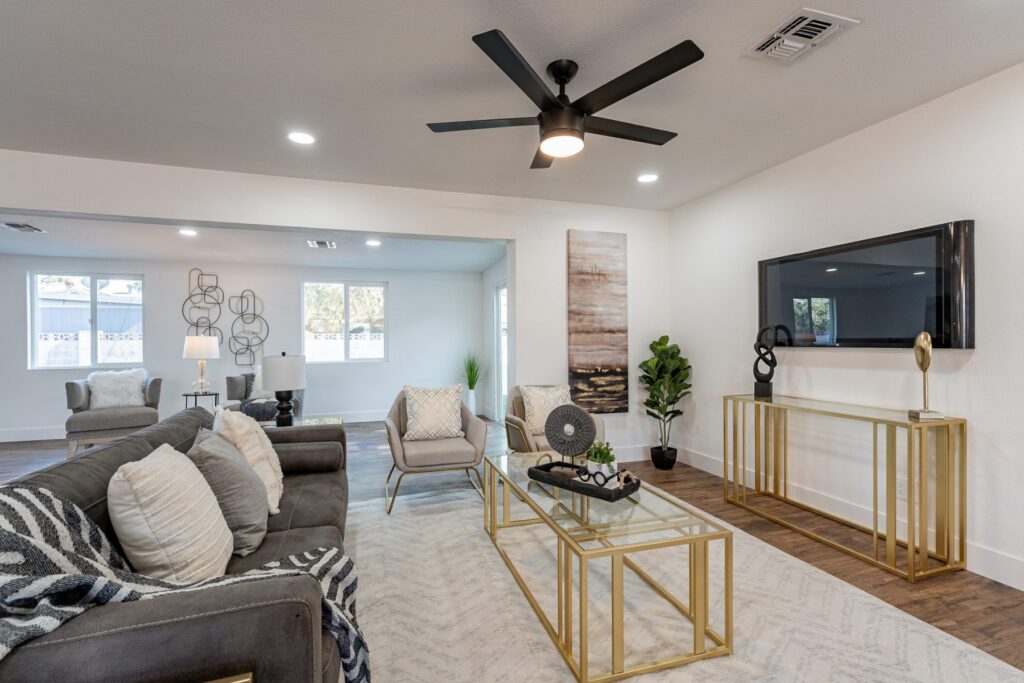
Do you need to hire a professional stager or rent expensive furniture to make your Scottsdale home appealing to buyers? Not necessarily. Some of the most effective staging decisions involve using what you already own, rearranging furniture, and making sure buyers can appreciate the space and features of your home.
The purpose of staging isn’t to make your home look like a model home. It’s to help buyers see how the rooms function, appreciate the property’s best features, and imagine themselves living there.
And while professional staging can be worthwhile for some properties, it isn’t necessary for every home.
Where Should You Start When Staging on a Budget?
Before buying anything, take a look at how each room is being used.
Over time, most homeowners arrange their homes around daily routines, adding furniture, collecting belongings, and making spaces comfortable for the way they live. That makes sense while living there, but the arrangement that works best day to day isn’t always the one that shows a home most effectively to buyers.
For example, a large sectional may be perfect for watching television, but it might make the living room appear smaller than it actually is. An extra dresser may provide useful storage, but removing it could help a bedroom feel more spacious.
Starting with the furniture and accessories already in the home is usually the best approach. Sometimes moving a chair to another room, removing a piece of furniture, or changing the placement of a dining table can make a noticeable difference.
The goal is to create a comfortable, inviting space that feels easy to move through.
Does Every Room Need to Be Staged?
No, and this is one area where sellers can avoid unnecessary expenses.
Focus on the spaces that are most important to the home’s overall presentation. The living room, kitchen, dining area, primary bedroom, and outdoor living spaces are usually good places to start.
Secondary bedrooms don’t necessarily need elaborate furniture arrangements. A room should have a clear purpose, but that doesn’t mean you need to purchase a complete bedroom set to demonstrate how the space can be used.
If a room currently serves several purposes, such as an office, exercise room, and guest bedroom, consider simplifying the arrangement. Buyers should be able to understand the room’s size and potential without having to look past too much furniture.
It’s also important to avoid overstaging. Adding furniture to every corner can make rooms feel crowded rather than inviting.
Sometimes the best staging decision is to leave more open space.
How Much Should You Remove From a Room?
There’s no rule that says you need to remove a certain percentage of your belongings. Instead, look at whether the furniture and accessories are competing with the room itself.
Can you walk comfortably through the space? Are windows and architectural features visible? Does the furniture help buyers understand how the room could be used?
If a room feels crowded, begin by removing one or two pieces and see how much the space changes.
Kitchen counters are another good example. You don’t need to remove everything, but too many appliances and decorative items can make the available counter space harder to appreciate.
The same applies to bathroom vanities, bookshelves, and entry tables.
Personal belongings don’t all have to disappear, either. A home can still feel warm and welcoming with artwork, books, and familiar furnishings. The key is making sure those items complement the space rather than becoming the focus of attention.
Should You Buy New Furniture or Accessories?
In most cases, the best place to start is shopping the home itself.
You may already have a lamp, chair, mirror, or piece of artwork that would work better in another room. Moving accessories between spaces can create a more consistent appearance without spending anything.
If you do purchase a few items, choose pieces that make a meaningful difference. Fresh bedding, simple pillows, or an appropriately sized rug may help a room feel more finished.
But don’t feel obligated to buy decorative items simply because you’ve seen them in professionally staged homes.
A few well-chosen accessories are usually more effective than filling every surface.
Also consider the style of the property. A contemporary Scottsdale home may call for a different presentation than a traditional home in an established neighborhood. The staging should complement the architecture and existing finishes rather than trying to make every home look the same.
How Should You Stage a Scottsdale Home’s Outdoor Living Areas?
Outdoor spaces can be among a Scottsdale home’s most appealing features, and they deserve just as much consideration as the interior.
If you have a covered patio, swimming pool, outdoor kitchen, or attractive view, think about how furniture placement can help buyers appreciate those features.
A small seating arrangement may be enough to show how a patio can be enjoyed. If you have a larger outdoor area, separate seating and dining spaces may help buyers understand its possibilities.
You don’t need to purchase expensive outdoor furniture to accomplish this. Clean, appropriately sized furniture that complements the space can be effective.
Pay attention to what the furniture faces. If the property has a mountain view, pool, or landscaped backyard, arrange seating to take advantage of it rather than turning attention away from one of the home’s strongest features.
Shade is another consideration in Scottsdale. A covered patio or shaded seating area can help buyers imagine using the space comfortably during warmer weather.
For homes with pools, the surrounding area should feel inviting without becoming cluttered with lounge chairs, decorations, or accessories.
The goal is to show buyers how the outdoor space can become part of their everyday living experience.
How Can Lighting Make a Home Feel More Inviting?
Lighting can change how a room feels without requiring new furniture or expensive improvements.
Begin with natural light. Open window coverings where appropriate, especially when they reveal attractive views or make a room feel brighter.
At the same time, Scottsdale homes can receive intense afternoon sun. You don’t need every blind fully open during a showing if doing so makes a room uncomfortable. A balance between natural light and indoor comfort is more effective.
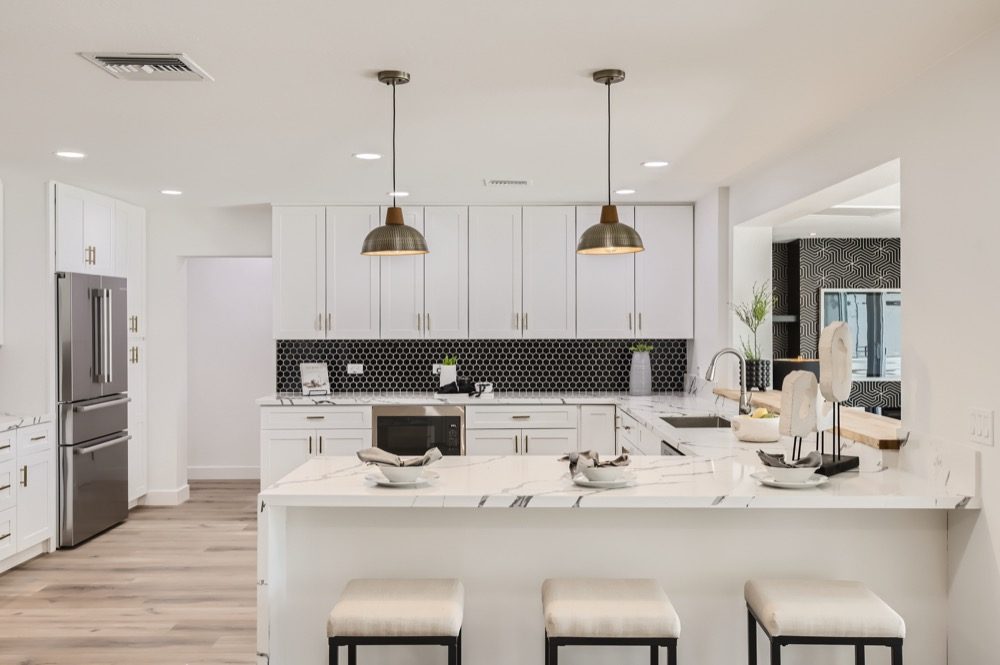
Look at how lamps and overhead lighting work together. A dark corner may benefit from a lamp you already own, while a room with plenty of natural light may need very little additional lighting.
Try to keep the lighting consistent from room to room. Dramatically different bulb colors can make spaces feel disconnected.
The purpose isn’t to make every room as bright as possible. It’s to create an atmosphere that feels comfortable and welcoming.
What If Your Scottsdale Home Is Vacant?
Vacant homes require a slightly different approach.
Without furniture, buyers sometimes have difficulty judging room proportions or imagining how a space might function. This can be especially noticeable in large living areas, open floor plans, or rooms with an unusual shape.
Professional staging may be worth considering in those situations, but furnishing the entire property isn’t always necessary.
Sometimes staging the living room, dining area, and primary bedroom provides enough context for buyers to understand the layout.
The decision should depend on the home, its price range, the available budget, and how competing properties are presented.
Virtual staging may also be an option for marketing photographs, provided the images are clearly identified and accurately represent the property’s actual features. However, virtual staging doesn’t change what buyers experience when they visit the home in person.
For some vacant properties, a combination of selective physical staging and strong photography may be the most practical approach.
How Does Staging Affect Listing Photographs?
Buyers often see your home online before they ever schedule a showing, which makes staging an important part of the photography process.
A room that feels comfortable in person may appear crowded in a photograph if the furniture is too large or there are too many decorative items.
Before photography, consider how the room will look from several angles. Can buyers see the floor space? Is the furniture arrangement easy to understand? Are the windows, views, and architectural features visible?
In an open floor plan, furniture placement can help define separate living and dining areas. In a smaller room, fewer pieces may allow buyers to better understand its dimensions.
The outdoor areas deserve the same attention. A clean patio with a simple seating arrangement can communicate more about the space than an elaborate display of accessories.
Good photography and thoughtful staging work together. Neither should create a misleading impression of the property.
How Do You Know When Staging Is Enough?
One of the easiest mistakes is continuing to add things because a room feels too simple.
Staging doesn’t require every table to have a centerpiece or every bed to have decorative pillows. A room can feel finished without being heavily decorated.
Once buyers can clearly understand the space, appreciate its features, and move comfortably through it, you may not need to do anything more.
It’s also worth remembering that the right staging approach depends on the property. What works in a smaller Scottsdale condominium may not be appropriate for a luxury home with expansive living areas and outdoor entertaining spaces.
Before spending money on furniture rentals or decorative accessories, consider whether those additions will meaningfully improve the home’s presentation.
Effective staging is about making thoughtful choices, not making the home look expensive.
If you’re preparing to sell your Scottsdale home, start with the furniture and features you already have. Focus on the rooms that matter most, make outdoor living areas inviting, and use lighting and furniture placement to show the property’s strengths.
You may find that the best staging improvements cost very little. They simply help buyers see the home more clearly.