

Selling a home involves more than cleaning rooms and putting up a sign. Buyers usually form an opinion before they study every feature, so preparation should focus on condition, presentation, documentation, and realistic expectations.
In Scottsdale, preparation also needs to account for intense sun, dry conditions, dust, pool maintenance, desert landscaping, and seasonal demand. A thoughtful plan can help a home appear well cared for without encouraging unnecessary spending.
What should be done first?
Start with a property-wide inspection, not with cosmetic projects. Walk through the home as if seeing it for the first time and make notes about anything that appears broken, neglected, unusually worn, or difficult to understand.
Look at:
- Exterior paint, stucco, trim, gates, and visible caulking
- Roof edges, drainage areas, and signs of water intrusion
- Heating, cooling, plumbing, electrical, and irrigation systems
- Windows, doors, screens, shutters, and sliding-door tracks
- Flooring, cabinets, countertops, fixtures, and built-in appliances
- Pool equipment, water features, decking, and safety barriers
- Garage storage, attic access, and areas affected by dust or heat
Separate findings into three categories: safety or function, visible condition, and optional style improvements. Repairs that affect safety or basic operation generally deserve priority. Decorative updates should be considered only after more fundamental concerns are addressed.
Which repairs usually matter most?
The most useful repairs are usually the ones that remove buyer uncertainty. A dripping faucet, nonworking outlet, damaged door, or air-conditioning problem may raise concerns about broader maintenance even if the repair itself is minor.
In the desert climate, buyers may pay close attention to cooling performance, exterior shade, window seals, irrigation, and landscaping. A system that functions but has not been maintained may still create questions during an inspection.
Prioritize:
- Leaks, active moisture, and drainage concerns
- Heating and cooling problems
- Broken windows, locks, railings, and trip hazards
- Electrical or plumbing defects
- Damaged roofing materials or visible roof-related stains
- Irrigation leaks and dead or overgrown landscape areas
- Pool equipment problems and cloudy or poorly maintained water
Do not automatically replace functioning systems simply because they are older. Age should be disclosed accurately, but replacement decisions should consider condition, expected remaining life, cost, and the likely effect on buyer confidence.
How much cleaning and decluttering is necessary?
The goal is not to make the home look empty. The goal is to make its space, storage, and condition easy to understand.
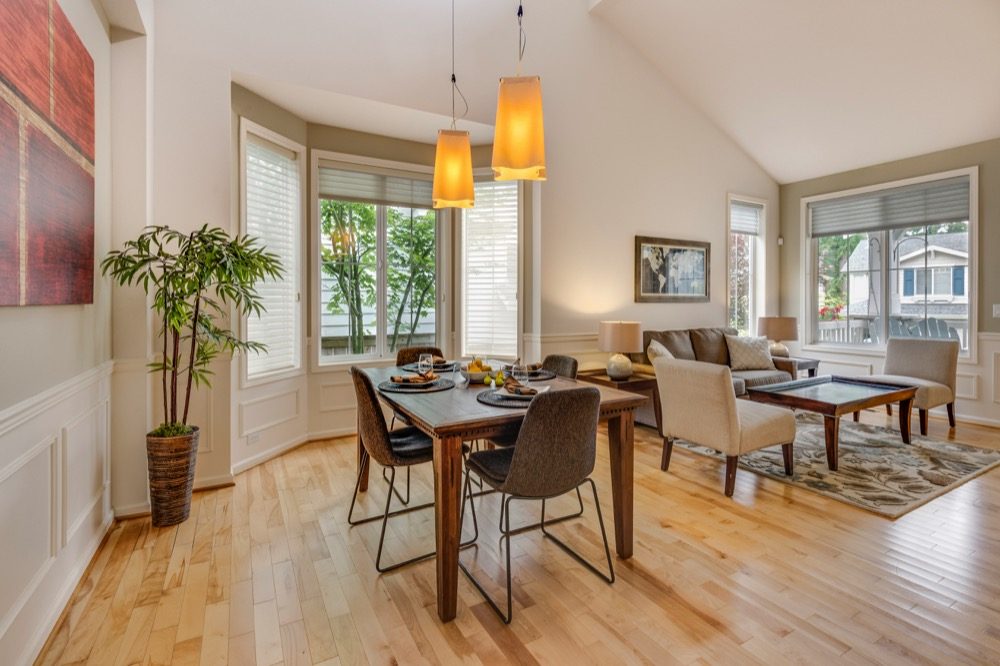
Remove excess furniture so rooms show their dimensions. Clear crowded countertops, reduce visible personal items, and organize closets enough to show available storage. Buyers should be able to see floors, walls, windows, and built-in features without navigating around piles of belongings.
Cleaning should include areas that are often overlooked:
- Ceiling fans and air vents
- Baseboards and window tracks
- Cabinet interiors and appliance surfaces
- Patio furniture and outdoor kitchens
- Garage floors, shelves, and storage areas
- Pool surfaces and surrounding hardscape
- Dust on blinds, shutters, doors, and decorative ledges
Because dust can accumulate quickly in a dry climate, cleaning may need to be repeated shortly before showings or photographs. Strong fragrances are usually less helpful than neutral, clean air because heavy scents can make buyers wonder what is being covered up.
Should the home be repainted or remodeled?
Usually, broad improvements are more sensible than highly personalized remodeling. A fresh, neutral appearance can help buyers focus on the home rather than on a previous owner’s color preferences, but a full renovation is rarely necessary for every property.
Consider paint when walls have strong colors, visible marks, patching, or uneven fading. Touch-up work may be enough if the existing finish is generally consistent. Flooring should be cleaned and repaired where possible before replacement is considered.
Kitchens and bathrooms should be tidy, functional, and free of obvious damage. Small updates such as new hardware, improved lighting, fresh grout, or repaired cabinet doors may improve presentation. Expensive design choices may not provide a proportional return, especially if they reflect a narrow style.
Avoid making changes solely because a television program or online trend suggests they are expected. The most useful preparation is usually clean, coherent, and compatible with the home’s age and character.
How should the exterior be prepared?
The exterior creates the first practical impression and also gives buyers clues about maintenance. The entry should be clean, accessible, and free of clutter. Walkways, gates, patios, and driveways should be swept and checked for damage.
Landscaping does not need to be elaborate. It should look intentional and reasonably maintained. Trim overgrown plants, remove dead material, repair broken irrigation lines, and make sure outdoor areas are usable. In Scottsdale, plants exposed to intense heat may show stress even when irrigation is operating, so seasonal pruning and appropriate watering are especially relevant.

Check shade structures, exterior lighting, pool fencing, gates, and outdoor storage. Pool areas should be clean and orderly, with equipment accessible for inspection but not surrounded by loose items. Buyers may also notice sun-faded furniture, cracked sealant, worn decking, and dusty exterior fixtures.
What documents and disclosures should be organized?
A seller should gather records before they are needed. Documentation can help answer questions efficiently and reduce confusion during negotiations or inspections.
Useful records may include:
- Dates and receipts for major repairs or replacements
- Heating and cooling service history
- Roof work and warranties, if available
- Pool and equipment maintenance records
- Solar-related agreements or equipment documents
- Appliance manuals and transferable warranties
- Permits or approvals for additions and improvements
- Information about leased equipment or ongoing obligations
- Homeowners association documents, if applicable
Known material facts should be handled accurately. Concealing a defect can create greater legal and financial risk than addressing or disclosing it. Questions involving disclosure duties, contracts, permits, or unusual property conditions may require advice from a qualified Arizona real estate attorney or another appropriate licensed professional.
How can sellers prepare for inspections?
A pre-sale inspection is optional, but a basic review can reveal problems before a buyer does. The purpose is not to create a perfect house. It is to identify conditions that may affect safety, financing, insurance, or negotiations.
Before an inspection or showing, make access easy to:
- Electrical panels and water heaters
- Heating and cooling equipment
- Attic areas and crawl spaces, where applicable
- Pool equipment and irrigation controls
- Garages, storage rooms, and exterior gates
- Under-sink plumbing and utility areas
Replace missing bulbs, unlock areas that need to be viewed, secure pets, and move belongings away from mechanical systems. These steps make the property easier to evaluate and reduce avoidable delays.
What should be done just before listing or showing?
The final preparation should focus on consistency. Photographs, online descriptions, and in-person visits should present the home honestly and clearly.
Complete last-minute cleaning, remove vehicles or clutter from key views, open blinds where appropriate, and adjust the temperature so the home is comfortable. Confirm that lights work, toilets flush, faucets operate, and doors open smoothly.
Keep valuables, medications, financial documents, and personal information secured. If the home is occupied, create a simple routine for maintaining beds, counters, bathrooms, and outdoor spaces between visits.
A well-prepared home does not need to look untouched or luxurious. It should be clean, functional, accurately represented, and easy for a buyer to understand. That combination gives the property a stronger foundation for evaluations, inspections, and informed decision-making.